Handmade is having a moment. Not the cute-Pinterest-board kind of moment — a real one, backed by real money.
The global handicraft market hit $1.2 trillion in 2025 and is projected to reach $2.9 trillion by 2034, growing at a 10.2% CAGR, according to Fortune Business Insights data cited by Shopify.
That growth isn’t an accident. Shoppers are tired of mass-produced sameness. They want something with a story, a name on it, or a slightly imperfect edge that proves a human made it.
If you’ve ever thought about turning a hobby into income, 2026 is a genuinely good year to try. Below are six craft businesses with real profit margins, real startup costs, and real demand — no guesswork, no fluff.
1. Personalized Jewelry
Jewelry sits at the top of almost every “best craft business” list for a simple reason: it’s small, it’s light to ship, and people pay a premium for meaning.
Basic to intermediate jewelry pieces often cost just $0.70 to $2.10 in raw materials — beads, wire, and findings — according to a 2026 industry breakdown.
Finished pieces routinely sell for $15 to $50 or more, which puts profit per item well into double digits.
On Etsy, personalized jewelry — especially custom name necklaces and birthstone pieces — consistently ranks as the platform’s top-selling craft category.
In fact, Shopify reports that Etsy’s two best-selling shops both specialize in minimalist jewelry.
Why it works: low material cost, high perceived value, and a built-in gifting calendar (birthdays, anniversaries, holidays) that keeps demand steady all year.
2. Handmade Candles and Bath Products
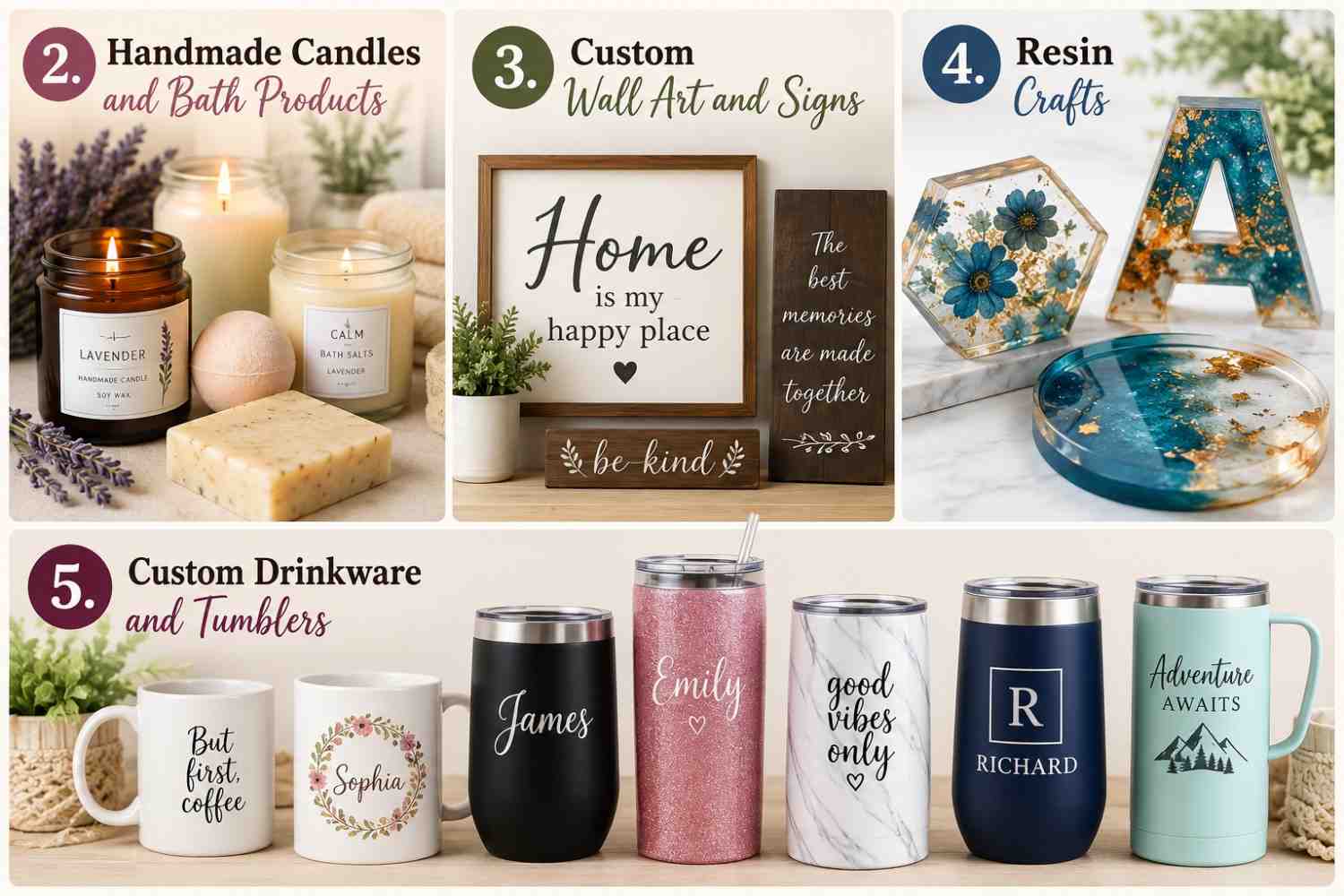
Candles are the comfort food of the craft world. Everyone burns one eventually, and handmade ones feel more personal than anything from a big-box store.
Material costs typically run 20-30% of the retail price. A candle that sells for $15 might cost $3 to $4.50 to make, leaving roughly $10.50 to $12 in gross profit per unit.
Industry data confirms that 50-70% profit margins are achievable even at a small scale.
The category is also growing fast. The global candle market is expanding at a 6.4% CAGR and is projected to reach $20.10 billion by 2030, according to Grand View Research.
Bath bombs follow a similar formula: a $1.50 production cost can sell for $4.50 to $6.00. Startup costs for a small candle or bath product line average around $1,500, which is low compared to most physical-product businesses.
One catch worth knowing: cosmetics fall under FDA regulation in the U.S. If you’re making bath products, check the FDA’s small business fact sheet before you sell your first bar of soap.
3. Custom Wall Art and Signs
Home décor buyers want their walls to feel personal, not purchased. That shift is driving strong margins for custom signs, cut vinyl art, and personalized prints.
Entry-level Cricut machines cost under $200, and blade cutters start under $500 — a low bar to entry for a business with real upside.
Wall art achieves roughly 74% profit margins on average, while custom apparel using the same tools sits around 60%.
The math gets even better with metal signs: a piece that costs $30 to produce can sell for $75 to $100, netting $45 to $70 in profit per unit. That’s a 60-70% margin on a single item, based on industry benchmarks reported by Lovable.
House Beautiful has named personalization a dominant home décor trend for 2026, and demand gets seasonal boosts around Earth Day, summer refreshes, and back-to-school dorm shopping. Translation: this isn’t a one-season business.
4. Resin Crafts
Resin is messy, a little unpredictable, and one of the hottest handmade categories right now. It’s also forgiving on cost.
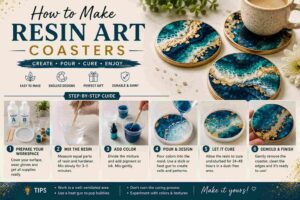
A starter resin kit runs about $30 to $50 and is enough to make dozens of items. Resin earrings cost roughly $2 to $3 to produce and sell for $15 to $30, while larger pieces like coaster sets can go for $25 to $60, per Hostinger’s 2026 breakdown of profitable crafts.
What makes resin fun (and marketable) is the customization: dried flowers, glitter, pigments, even small trinkets can all be embedded, so no two pieces need to look alike.
That kind of variety photographs beautifully on Instagram and TikTok, which is exactly where craft buyers are shopping these days.
5. Custom Drinkware and Tumblers
Personalized tumblers appeal to a genuinely wide audience — students, office workers, gym-goers, gift buyers, basically anyone who owns a hand. That universal appeal is a big reason drinkware crafting keeps showing up on “profitable craft business” lists heading into 2026, per The Stainless Depot.
Sublimation printing and engraving let you personalize a blank tumbler with a name, monogram, or design in minutes.
Startup equipment — a heat press or sublimation printer — is a bigger upfront investment than jewelry or resin, but the output is fast and repeatable once you’re set up.
Why it works: drinkware doubles as a walking advertisement. Someone sees a coworker’s custom tumbler, asks where it’s from, and your next customer finds you without a single ad dollar spent.
6. Digital Craft Products (Pair With a Physical Line)
Not every profitable craft business involves shipping boxes. Digital downloads — printable art, planners, SVG cut files for other crafters, or photographed original artwork sold as prints — carry almost no marginal cost once the first file is created.
You design it once and sell it repeatedly, with no inventory and no shipping headaches. Profit margins on digital products can approach 100% after the initial design work, according to Hostinger’s research on things to make and sell in 2026.
The smartest crafters don’t treat this as a replacement for a physical shop — they treat it as a companion.
Sell candles or jewelry as your core product, then offer a digital care guide, a printable gift tag set, or design files as an easy upsell. It’s extra revenue from work you’ve already done.
How to Actually Get Started
Picking a craft is the fun part. Making it a business takes a bit more structure.
- Start small. Pick one product, not five. Test it before you scale it.
- Price for profit, not just cost. A common formula: Cost × 2 = wholesale price, Wholesale × 2 = retail price. That yields roughly 75% retail margins before platform fees, based on standard craft pricing benchmarks.
- Choose your platform wisely. Etsy gives you nearly 87 million active buyers on day one, but marketplaces take a cut of every sale. A lot of sellers start on Etsy for visibility, then build their own store as they grow.
- Sell where your buyers already are. Etsy for handmade shoppers, Facebook Marketplace for local buyers, craft fairs for face-to-face sales and instant feedback.
Final Thoughts
None of these six businesses are get-rich-quick schemes, and anyone who tells you otherwise is selling something. What they do offer is low startup cost, real market demand, and margins that hold up when you price correctly.
The craft economy isn’t shrinking — it’s projected to nearly triple by 2034. Whether you pick jewelry, candles, wall art, resin, drinkware, or digital downloads, the opportunity in 2026 is genuinely there. The only missing ingredient is you actually starting.
Frequently Asked Questions
What is the most profitable craft business to start in 2026?
Personalized jewelry consistently ranks highest for profit-to-cost ratio, with material costs as low as $0.70–$2.10 per piece against retail prices of $15–$50+.
How much money do I need to start a craft business?
It varies by craft. Resin and jewelry can start under $100. Candle-making startup costs average around $1,500. Cutting-machine crafts like custom signs need $200–$500 for entry-level equipment.
Is Etsy still worth it for craft sellers in 2026?
Yes. Etsy has nearly 87 million active buyers, making it one of the fastest ways to reach handmade shoppers, though sellers pay listing and transaction fees on every sale.